
From Approved Drawing to Dispatch: What a Controlled Formwork Workflow Looks Like
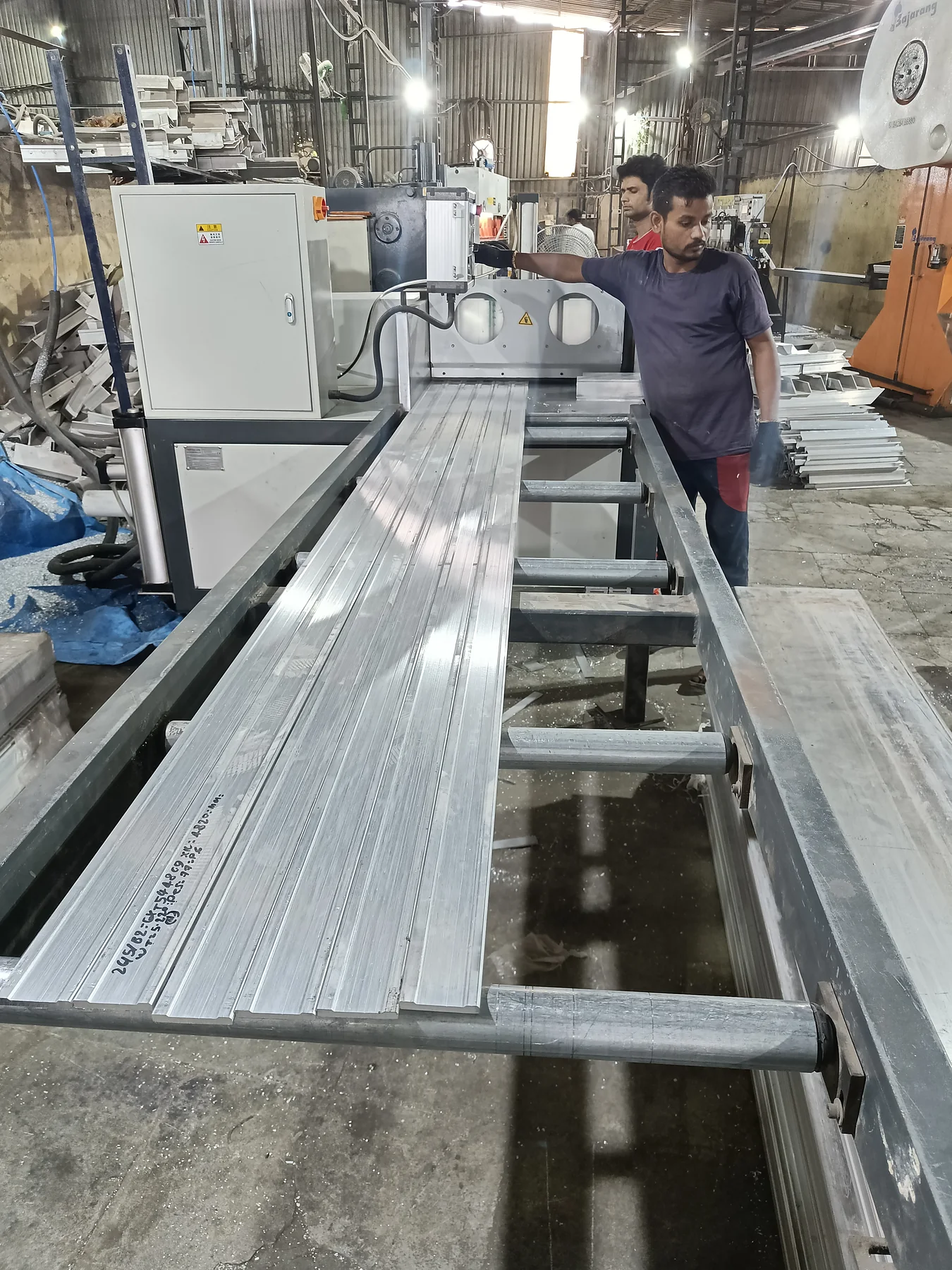
A formwork panel is useful only when it matches the approved geometry, can be identified at the right stage, and arrives in a sequence the site team can use. The Schach monolithic catalogue describes a connected manufacturing workflow from design release through on-site scanning.
1. Release the engineering basis
The bill of quantities and fabrication drawings should follow approved project information. Production planning then converts the release into raw-material nesting, machine loading, component priorities, and unit-wise sequences. This is where design intent becomes a production plan.
2. Verify incoming material
Dimensional and chemical checks are carried out lot-wise before the material enters production. Traceability matters because a finished panel contains the result of several operations, and a later inspection should be able to connect the component back to its material and fabrication record.
3. Identify panels early
Unique barcodes support tracking through cutting, fabrication, inspection, packing, and site installation. Identification should be applied early enough to survive the process and clear enough to support room-wise or unit-wise sorting at dispatch.
4. Cut, punch, and mill to the release
Profiles and sheets move through cutting and shearing before holes, edges, tie positions, and connection details are punched or milled. CNC and auto-gauging equipment improve repeatability, but the machine still depends on correct drawings, nesting, fixtures, and inspection.
5. Control welding and fitting
Applicable aluminium panel operations use friction stir welding, followed by stiffener fitting and full welding where required. Special assemblies, staircases, curved elements, and project-specific details may follow dedicated routes. In-process checks prevent an error from travelling into a completed assembly.
6. Prepare the surface
Grinding, cleaning, buffing, and lacquering are functional finishing stages. They prepare the product for inspection, handling, concrete contact, and dispatch. The required finish varies between aluminium formwork, MS systems, and safety-screen components.
7. Inspect the finished component
The documented workflow includes a final 100 percent inspection. Dimensions, connections, identification, finish, and completeness should be checked against the approved fabrication information before packing. A project-specific mock-up can also be assembled when interfaces or erection sequence need full-scale review.
8. Pack for how the site will build
Unit-wise pallet packing, attached lists, and controlled dispatch reduce avoidable searching and re-handling. On-site scanning and installation verification then connect the packed material back to the planned sequence.
A strong manufacturing system is not a list of machines. It is the information trail that keeps engineering, material, production, inspection, packing, and site execution aligned.