
Cuplock or Ringlock? Start with the Project, Not the Product Name
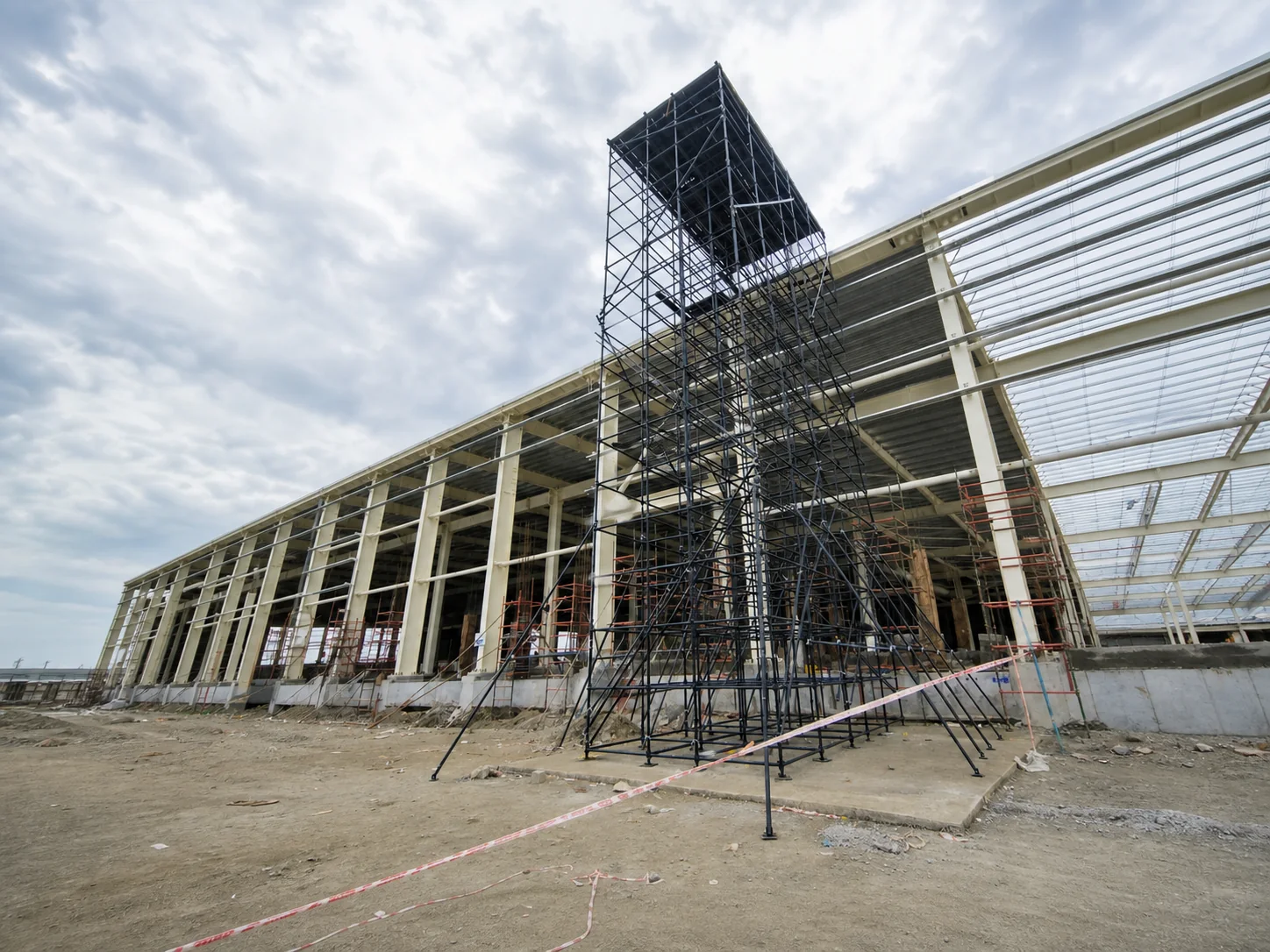
Cuplock and Ringlock are both modular MS scaffolding systems, but selecting between them should begin with the access problem, structure, and site conditions rather than a general claim that one system is always better.
Define the work face
Start with the location and purpose of the scaffold. Building facade access, industrial maintenance, slab support, stair access, internal equipment access, and a free-standing tower create different layouts. Share the required length, width, total height, working levels, platform positions, and any changes in geometry.
Understand the connection pattern
Cuplock uses standards and ledgers connected through cup joints at regular vertical intervals. It is widely used for repetitive grids, access towers, and support arrangements. Ringlock uses rosette connection points that accept ledgers and diagonals in multiple directions, which can help when the layout changes direction or requires more varied bracing geometry. The useful choice depends on the engineered arrangement and available components.
Account for interfaces and obstructions
Pipes, machinery, balconies, facade projections, process equipment, roads, and operating zones can interrupt a regular scaffold grid. Mark these on drawings or site photographs. Also identify tie locations, foundation or floor conditions, access openings, exclusion zones, and whether the scaffold must remain independent of the structure.
Describe access and platform needs
State how workers and materials will move through the scaffold. Stair flights, ladders, trapdoor platforms, hop-up brackets, cantilever zones, loading bays, and guarded working decks should be considered as part of the system rather than added after the main tower is planned.
Provide the design basis
The required duty, platform loading, number of loaded levels, wind criteria, tie pattern, foundation capacity, and erection sequence belong in the project review. Final scaffold design and permitted loading must be confirmed for the actual configuration and site conditions.
A better quotation request
Send plan and elevation dimensions, total height, platform levels, intended use, project location, programme, site photographs, and any client-specific standards. That information allows the technical team to compare Cuplock, Ringlock, H-Frame, or Pipe & Coupler arrangements against the real requirement.
The safest decision is the system that can be engineered, supplied, erected, inspected, and used correctly for the defined project.